If you are drawn to places with a little more character and a little less rush, Old Town Bluffton stands out fast. Life here is shaped by the May River, a compact historic layout, and a daily rhythm that feels more local than suburban. If you are wondering what it is actually like to live here, this guide will walk you through the setting, the pace, the homes, and the small details that shape everyday life. Let’s dive in.
Old Town Bluffton at a Glance
Old Town Bluffton is the historic core of the Town of Bluffton, set on a high bluff above the May River. The town says Bluffton was incorporated in 1852, and the area was designated a National Register Historic District in 1996. Today, it includes more than 80 contributing historic structures, which gives the area a distinct sense of place.
That historic foundation affects daily life in a real way. Old Town does not function like a typical newer neighborhood with wide roads, separated shopping centers, and a uniform streetscape. Instead, you get a more compact river-town feel, where preservation, local businesses, and public gathering spaces all play a bigger role.
The Pace Feels Slower and More Connected
One of the biggest differences in Old Town is the pace. The area is centered around a tighter historic district, so your day can feel a little more personal and a little more grounded in routine. You are more likely to recognize familiar storefronts, stop for a casual meal nearby, or run into people at a local event.
The Town describes the Historic District as the hub of businesses, shopping, and community gatherings. Calhoun Street serves as the main shopping and arts corridor, with shops, galleries, and restaurants concentrated in the core. For many residents, that means your regular errands and meetups happen in a smaller, more walkable setting rather than along a long commercial strip.
Weekly Life Has Familiar Rhythms
Old Town has the kind of rhythm that helps a place feel lived-in instead of just visited. One clear example is the Farmers Market of Bluffton, held at Martin Family Park every Thursday, weather permitting, with seasonal hours. That gives residents a recurring reason to spend time downtown during the week.
That weekly pattern matters more than it may seem at first. It creates a natural gathering point and adds to the sense that Old Town is active beyond weekends or special occasions. If you enjoy places where community life shows up in small, repeatable ways, that is a meaningful part of living here.
May River Access Is Part of Daily Life
In many towns, waterfront access feels separate from everyday routines. In Old Town Bluffton, it is woven into them. The river is not just scenic backdrop here. It is part of how people spend their time, gather, and enjoy the area.
Wright Family Park at 111 Calhoun Street offers an open lawn, benches, restrooms, a walking path, and public access to waterfront areas. Oyster Factory Park on Wharf Street includes May River views, picnic tables, restrooms, an open-air pavilion, and boat-ramp access. The town also notes that the boat ramp at Oyster Factory Park is open 24 hours a day.
The Town’s Marine Patrol information also notes three public docks, including Oyster Factory Park and the Calhoun Street Regional Dock. For someone who enjoys being near the water, that changes the feel of everyday life. A quick walk, a quiet view of the river, or easier boating access can become part of your normal week rather than a special outing.
River Culture Shapes the Atmosphere
The May River is not only about views and access. It also helps define Bluffton’s identity and food culture. The town highlights fishing, oystering, and shrimping as part of local life, and it points to the Bluffton Oyster Company as a long-standing local institution.
That gives Old Town a sense of continuity that newer areas often do not have. You feel that connection in the waterfront setting, the local character, and the way the historic district relates to the river. For buyers who want a place with strong local identity, this is one of Old Town’s biggest strengths.
Homes Reflect Lowcountry History
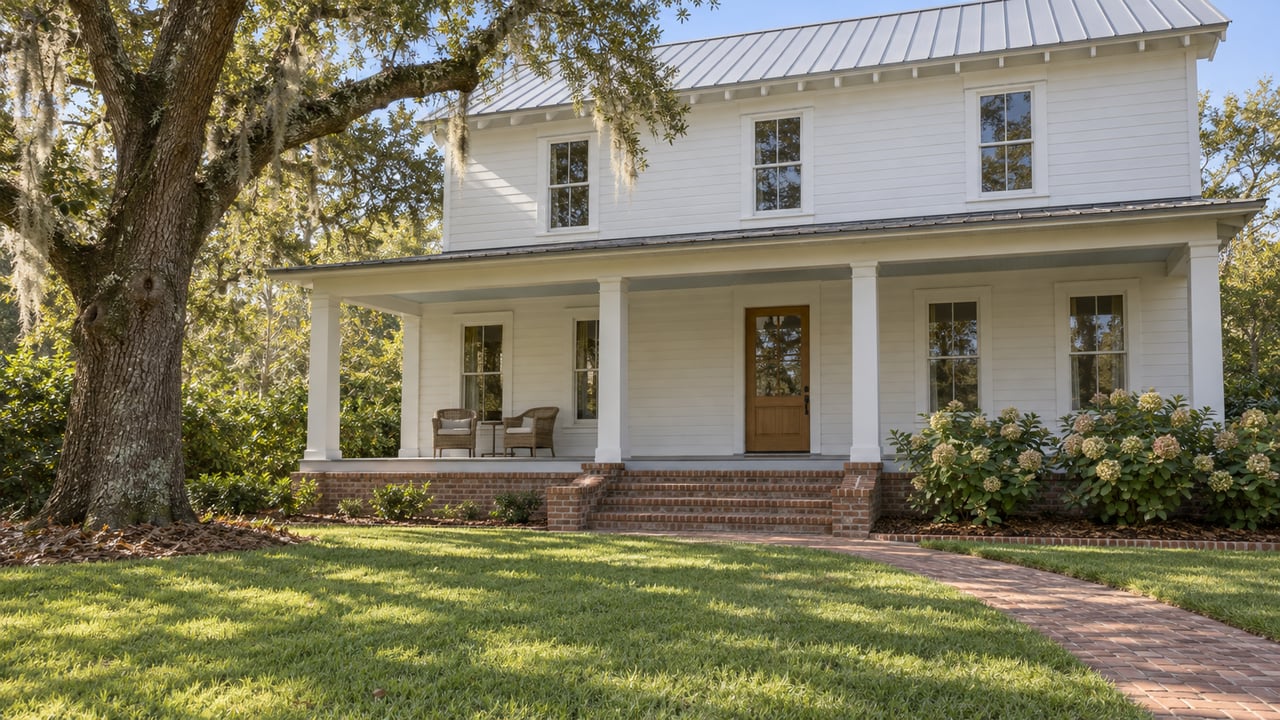
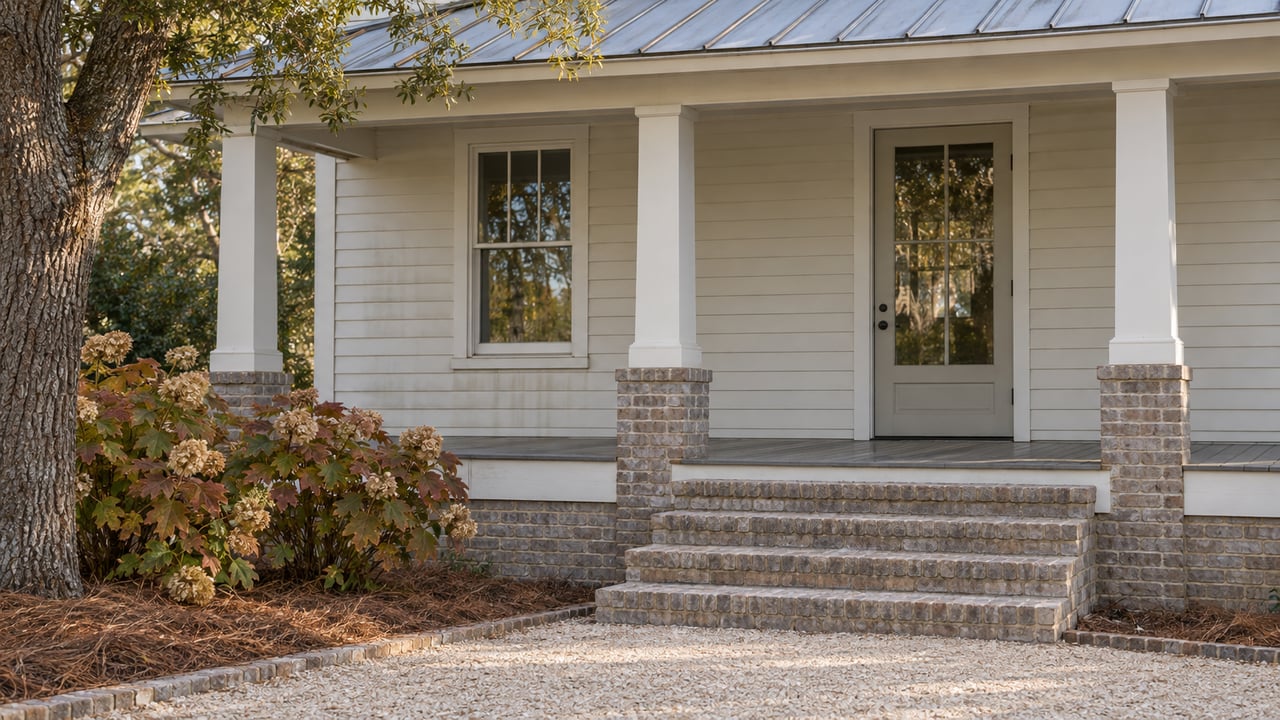
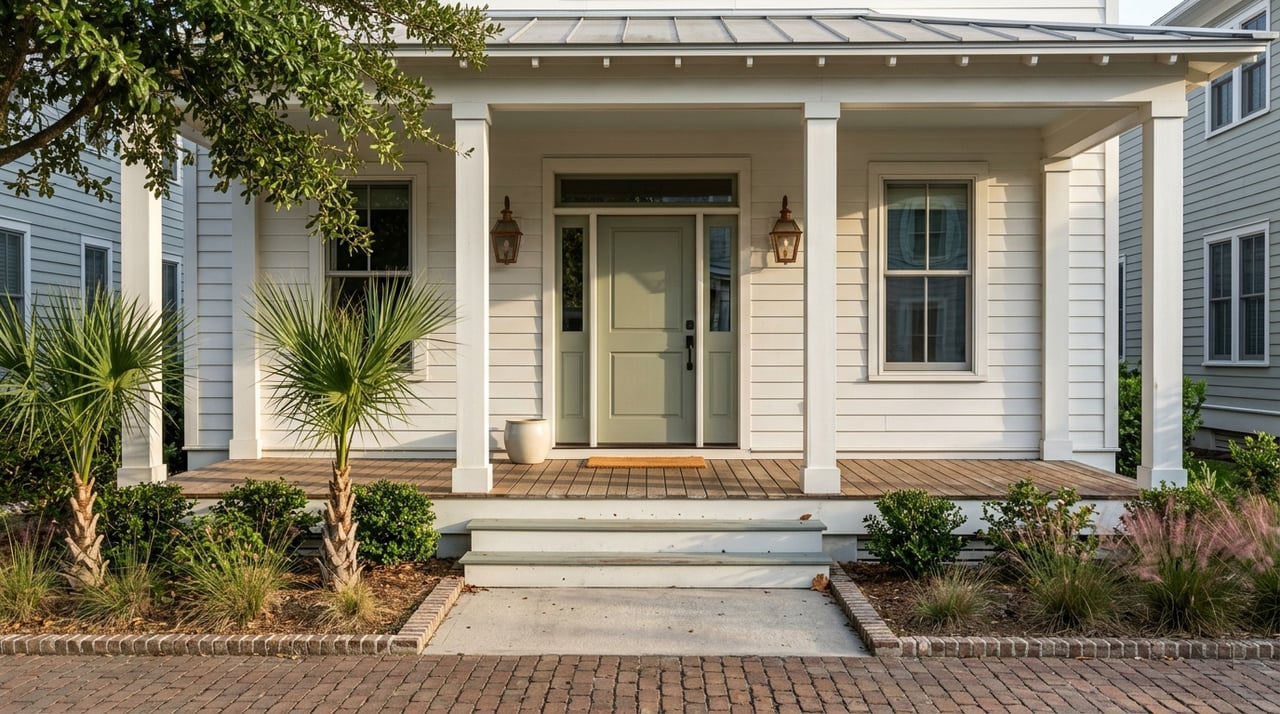
If you are thinking about buying in Old Town Bluffton, the housing stock is one of the first things to understand. Homes here are strongly influenced by Lowcountry climate and history. According to the historic district information, early structures often used clapboard siding, brick pier foundations and chimneys, and porches designed to catch breezes and support outdoor living.
That means the homes can feel very different from what you would see in a newer planned community. You may find architectural details tied closely to the region’s past and to practical responses to heat and humidity. The Garvin-Garvey House at Bridge and Wharf streets is one documented example of late-19th-century Carolina Lowcountry vernacular architecture in the district.
The Neighborhood Pattern Is Not One-Size-Fits-All
Old Town Bluffton is not visually uniform, and that is part of its appeal. The Historic Preservation Commission identifies five zoning districts within Old Town: Neighborhood Core, Neighborhood Center, Neighborhood General, Neighborhood Conservation, and Riverfront Edge. Those categories reflect the fact that different streets and sections of Old Town can feel meaningfully different from one another.
The Old Town Master Plan also describes the area south of Bridge Street as a quieter section made up primarily of single-family homes and larger lots. Elsewhere, the building pattern may include small houses, live-work cottages, rowhouses, and mixed-use main-street buildings. So when you picture life in Old Town, it helps to think of it as layered rather than uniform.
Walkability Is Best in the Core
A lot of buyers ask whether Old Town Bluffton is walkable. The short answer is yes, especially in the historic core, but with some nuance. The town’s planning documents show that Bluffton has intentionally worked to strengthen the pedestrian experience through sidewalks where possible, tree canopy, on-street parking, and parking behind buildings to support a park-once environment.
That said, walkability is strongest in the core rather than equally consistent everywhere. The Old Town Master Plan notes that May River Road is the busiest street and that higher speeds and an imperfect retail pattern have been challenges. So if being able to walk to shops, restaurants, parks, or the river is a top priority, your exact location within Old Town matters.
Parking and Movement Feel Different Here
Living in a historic district often means adjusting your expectations in small but important ways. Old Town is designed to encourage walking and shared public spaces, which creates charm but can also mean movement is less car-centered than in many suburban neighborhoods. On-street parking and tucked-away parking areas are part of that design approach.
For some buyers, that is a plus because it supports a more connected street scene. For others, especially if you want a fully car-oriented setup, it can feel like a tradeoff. This is one of those lifestyle details that is worth thinking through before you buy.
Preservation Rules Are Part of Ownership
Owning in Old Town Bluffton also comes with an extra layer of responsibility. The Historic Preservation Commission reviews applications within the district, and the permit list includes items such as minor exterior work, porch changes, decks, sidewalks, lighting, landscaping, and signs. In practical terms, visible exterior changes may require more review than they would in a newer neighborhood.
That is not necessarily a drawback, but it is part of day-to-day ownership. If you value the character of Old Town, preservation is one reason that character stays intact. At the same time, buyers should be prepared for a more structured process when planning exterior updates.
Who Old Town Bluffton Fits Best
Old Town Bluffton tends to fit buyers who want a slower, river-centered lifestyle with historic charm and frequent community activity. It is a strong match if you enjoy porches, tree-lined streets, local events, and public waterfront access. It also makes sense for buyers who appreciate that homes and streets can have variation and personality.
It may be a weaker fit if you want a highly uniform suburban setting or as little oversight as possible for exterior changes. It may also feel less ideal if your top priority is a fully car-oriented layout with broad commercial convenience in every direction. Like any neighborhood, the right fit comes down to how you want your daily life to feel.
What Buyers Should Notice First
If you are considering a move to Old Town, try to look past the postcard version and focus on the daily pattern. Notice how close you are to Calhoun Street, public parks, and river access. Pay attention to whether you want to be in the busier core or in a quieter pocket such as areas south of Bridge Street.
Also look closely at the home itself and what ownership may involve. In a historic area, the appeal is often in the details, but those details can come with specific maintenance or review considerations. A clear, step-by-step buying approach can help you weigh lifestyle fit just as carefully as the property itself.
If you are exploring whether Old Town Bluffton fits your goals, Michael Sutcliffe can help you compare locations, understand the character of each section, and move forward with a clear plan.
FAQs
What is everyday life like in Old Town Bluffton?
- Everyday life in Old Town Bluffton tends to feel slower, more walkable in the historic core, and closely tied to local shops, community gatherings, and the May River.
Is Old Town Bluffton walkable for daily errands and outings?
- Old Town Bluffton is most walkable in the historic core, especially around Calhoun Street, though walkability is not equally strong in every part of the area.
What types of homes are common in Old Town Bluffton?
- Old Town Bluffton includes a mix of historic Lowcountry-influenced homes, small houses, live-work cottages, rowhouses, mixed-use buildings, and single-family homes on some larger lots.
Does Old Town Bluffton have public river access?
- Yes, Old Town Bluffton includes public waterfront access through places such as Wright Family Park, Oyster Factory Park, public docks, and a boat ramp at Oyster Factory Park.
What should buyers know about historic rules in Old Town Bluffton?
- Buyers should know that visible exterior changes within the district may require review by Bluffton’s Historic Preservation Commission, including some work involving porches, decks, lighting, landscaping, and sidewalks.