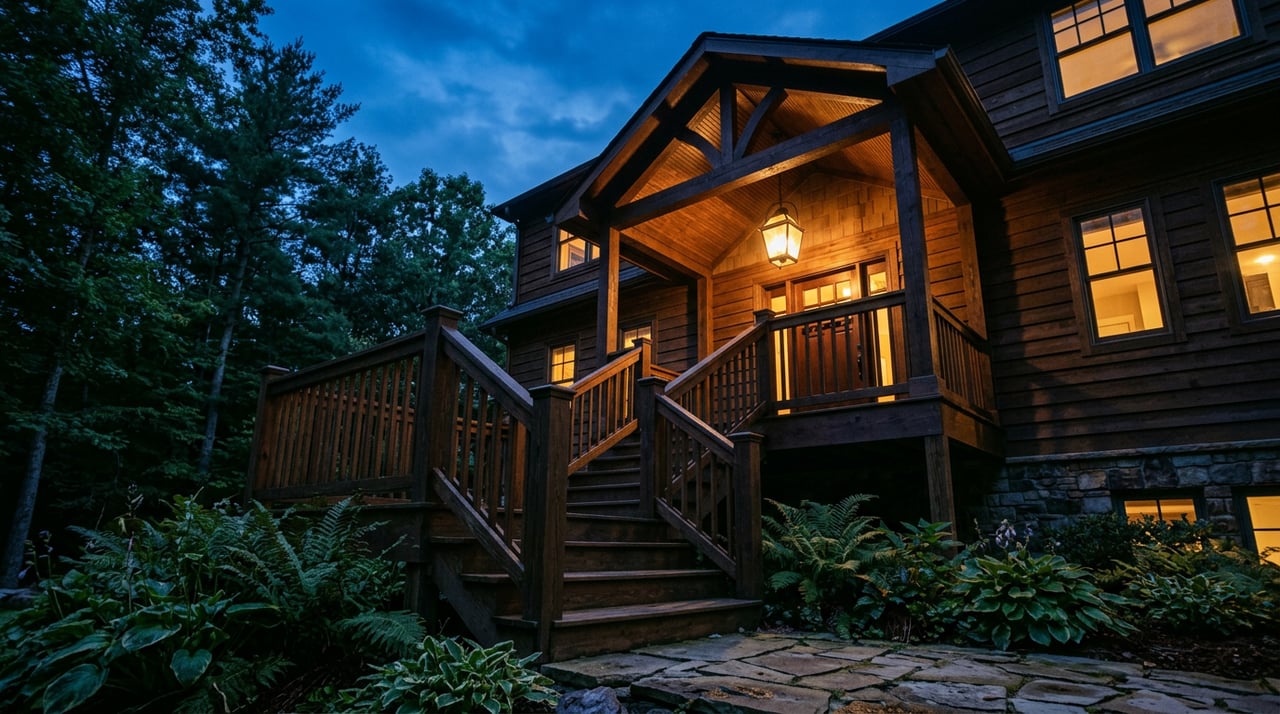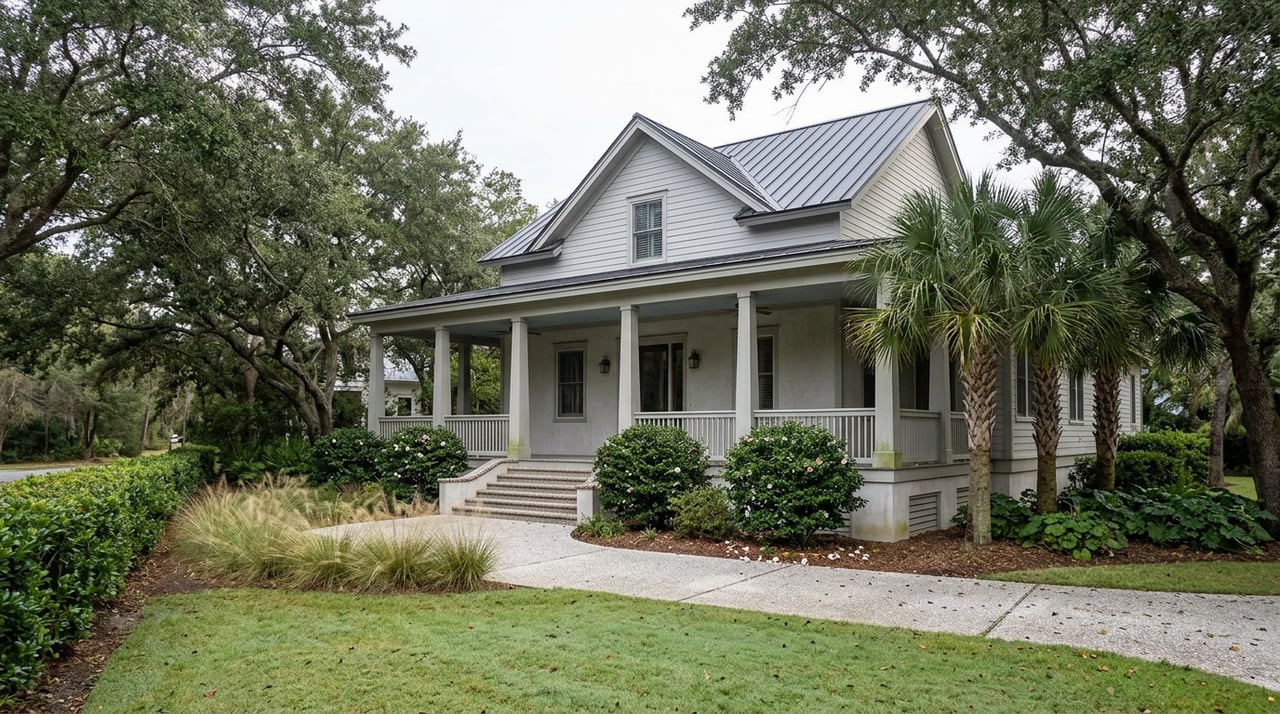
A buyer touring two nearly identical five-bedroom homes this year, one in Sea Pines and one in Palmetto Dunes, both listed as established short-term rentals with a season of bookings already on the calendar, would reasonably assume the paperwork transfers the same way the furniture does. It doesn't. One of those homes comes with a rental registration that resets to zero the moment the deed changes hands. The other doesn't charge for that registration at all. Same island, same bedroom count, same asking price bracket, two entirely different administrative starting points.
That gap is the story this year. Hilton Head Island spent 2025 and early 2026 rewriting how it regulates short-term rentals, and the changes land unevenly depending on which gated community, or lack of one, surrounds the property. For a buyer planning to offset a mortgage with rental income, the difference isn't cosmetic. It changes the math before the first guest ever checks in.
The fee that just became a per-bedroom tax
For years, a Hilton Head Island short-term rental permit cost a flat $250 regardless of how large the home was. That changed with the 2026 renewal cycle. When the Town's payment portal opened on April 6, 2026, it opened under a new structure: $150 per bedroom, annually, replacing the old flat fee entirely. A one-bedroom condo now costs less to permit than it used to. A seven-bedroom estate near Harbour Town costs more, by a wide margin.
The Town has been direct about why. The per-bedroom model is designed so the STR program pays for itself rather than drawing on general Town revenue, and it mirrors a pricing structure other high-demand coastal markets have already adopted. Put plainly, the permit is no longer a flat cost of doing business. It's a line item that scales with the exact feature that makes a home rentable in the first place: how many people can sleep in it.
For a three-bedroom home, that's $450 a year in Town permit fees. For a five-bedroom home, it's $750. On its own, that difference is manageable. It stops being manageable once you add what the community itself charges on top of it.
What community you buy in multiplies that number
This is where the comparison actually gets interesting, because Hilton Head's plantation communities don't all handle rental registration the same way. Sea Pines requires its own separate CSA Rental Registration Program for any residential property rented at any point during the year, and for 2026 that fee is tiered by advertised bedroom count: $300 for one to two bedrooms, $700 for three to four bedrooms, and $1,000 for five or more. Palmetto Dunes takes a different approach entirely. Its POA registration is mandatory too, but it's free, functioning more as a contact directory for property managers than a revenue mechanism.
Stack those numbers next to the new Town permit and the picture sharpens:
| Home size | Town STR permit (2026) | Sea Pines CSA registration | Palmetto Dunes POA registration |
|---|---|---|---|
| 3-bedroom | $450 | $700 | Free |
| 5-bedroom | $750 | $1,000 | Free |
A five-bedroom home in Sea Pines now carries $1,750 a year in permit and registration costs before a single accommodations tax return gets filed. The identical home, same bedroom count, in Palmetto Dunes carries $750. That's not a rounding error. It's a real gap in first-year carrying cost, and it exists purely because of which side of a gate the property sits on.
None of this shows up in a listing sheet. It shows up when you start budgeting the first year of ownership, which is exactly when it's most likely to catch a buyer off guard.
The word "turn-key" doesn't mean what it used to
Here's the friction point that actually changes how you should approach an offer. Both the Town permit and the Sea Pines registration are explicitly structured as non-transferable. The Town's own ordinance page describes the STR permit as annual and non-transferable, with only contact details eligible for updates. Sea Pines goes further, stating outright that its rental registration fee is non-transferable, non-refundable, and cannot be prorated when a property changes ownership.
In practice, that means a seller's existing rental permit and registration die with the sale. If you buy a Sea Pines home mid-year that's already operating as a short-term rental, you don't inherit that status. You start over: new Town permit application, new business license, new CSA registration, full fee, no credit for the months the seller already paid for. A listing description that reads "established rental history" or "current STR permit in place" is describing the seller's paperwork, not yours.
This is worth confirming before you write an offer, not after closing. Ask for the seller's most recent permit and registration receipts, not as proof you're acquiring rental rights, but as a starting point for estimating what your own application will cost and how long approval typically takes.
The ownership structure question nobody asks until closing
One more wrinkle from this year's amendments affects anyone planning to hold rental property through an LLC for liability reasons, which describes a meaningful share of out-of-state buyers. Under the revised ordinance, STR permit applications must be filed in a person's name rather than a corporate entity. Title can still sit with your LLC. The permit itself cannot. That's a small distinction with real consequences if your attorney or lender assumed the entire operation, ownership and permitting alike, would run through the same structure.
Enforcement got real teeth this year
The regulatory tightening isn't limited to fees. Hilton Head's Town Council spent a September 2025 workshop weighing whether to pause new STR permits altogether through a temporary moratorium. Council ultimately directed staff to move forward with targeted ordinance amendments instead, choosing stronger enforcement over a freeze on new rentals. That decision matters for anyone evaluating a purchase now: short-term rentals remain a permitted use on the island, but the Town is watching them more closely than it used to.
The enforcement side of the 2026 changes includes:
- A graduated fine schedule for violations: $250 for a first offense, $500 for a second, $1,000 for any offense after that, resetting only after twelve consecutive violation-free months
- License revocation for any property that accumulates three or more citations within a twelve-month period
- Inspections with 48-hour notice, backed by new compliance software and public-facing dashboards
- Six new Town staff positions dedicated to STR oversight, including a 24/7 dispatch hotline for neighbor complaints
For homes of 3,600 square feet or larger, there's an added compliance cost: a monitored fire alarm system and smoke detection in every bedroom, floor, and exit path, a requirement that took effect for new permits on May 1, 2026. If you're eyeing one of the island's larger rental-ready homes, that's a line item worth pricing into your first-year budget alongside the permit fees above.
What to verify before you write an offer
If a Hilton Head property is being marketed with rental income potential as part of the pitch, a short list is worth working through before you get too far into negotiations:
- Confirm the home's current bedroom count as it would appear on a permit application, not the marketing bedroom count, since some listings describe flex spaces or bonus rooms as bedrooms that wouldn't qualify the same way on a fire-safety or permit basis.
- Ask whether the community has its own separate rental registration program beyond the Town permit, and get the current fee schedule in writing.
- Confirm your intended ownership structure now, before closing, given that the STR permit itself must be filed under an individual's name.
- If the home is 3,600 square feet or larger, get a quote for a monitored fire alarm system before you finalize your rental income projections.
- Treat any existing permit or registration as the seller's, not yours. Budget for a full reapplication rather than assuming continuity.
A short FAQ
Does the new per-bedroom Town fee replace what a community charges? No. The Town permit and any community-level registration, such as Sea Pines' CSA program or Palmetto Dunes' POA registration, are separate requirements that stack on top of each other.
If I buy a home that's already permitted as a rental, can I just take over the existing permit? No. Both the Town permit and Sea Pines' rental registration are structured as non-transferable. A change in ownership means a new application and a new fee, regardless of how much time is left on the seller's current permit year.
Are there occupancy limits I need to plan around? Not currently. Council removed proposed overnight occupancy caps from the October 2025 ordinance amendments, though occupancy and use standards may resurface as part of a broader Land Management Ordinance rewrite still in progress. Anyone underwriting a rental purchase on the assumption of unlimited occupancy should track that process rather than treat the current absence of a cap as permanent.
If you're weighing a Hilton Head Island purchase with rental income as part of the plan, the permit math is only half the underwriting. The other half is knowing which communities are quietly more expensive to operate in before you're the one holding the paperwork. Michael Sutcliffe works these numbers with buyers before an offer goes in, not after. Schedule a consultation to run the real cost of ownership on the specific property and community you're considering.